
Find the right waste management solution
Not sure what to do with a particular type of farm waste? We've brought together practical tips, useful resources and programmes to help you work out how to effectively manage your farm waste.
Top tips for better farm waste management
Small changes can make waste easier to manage. Start with what works for your farm, build good habits and get your team involved.
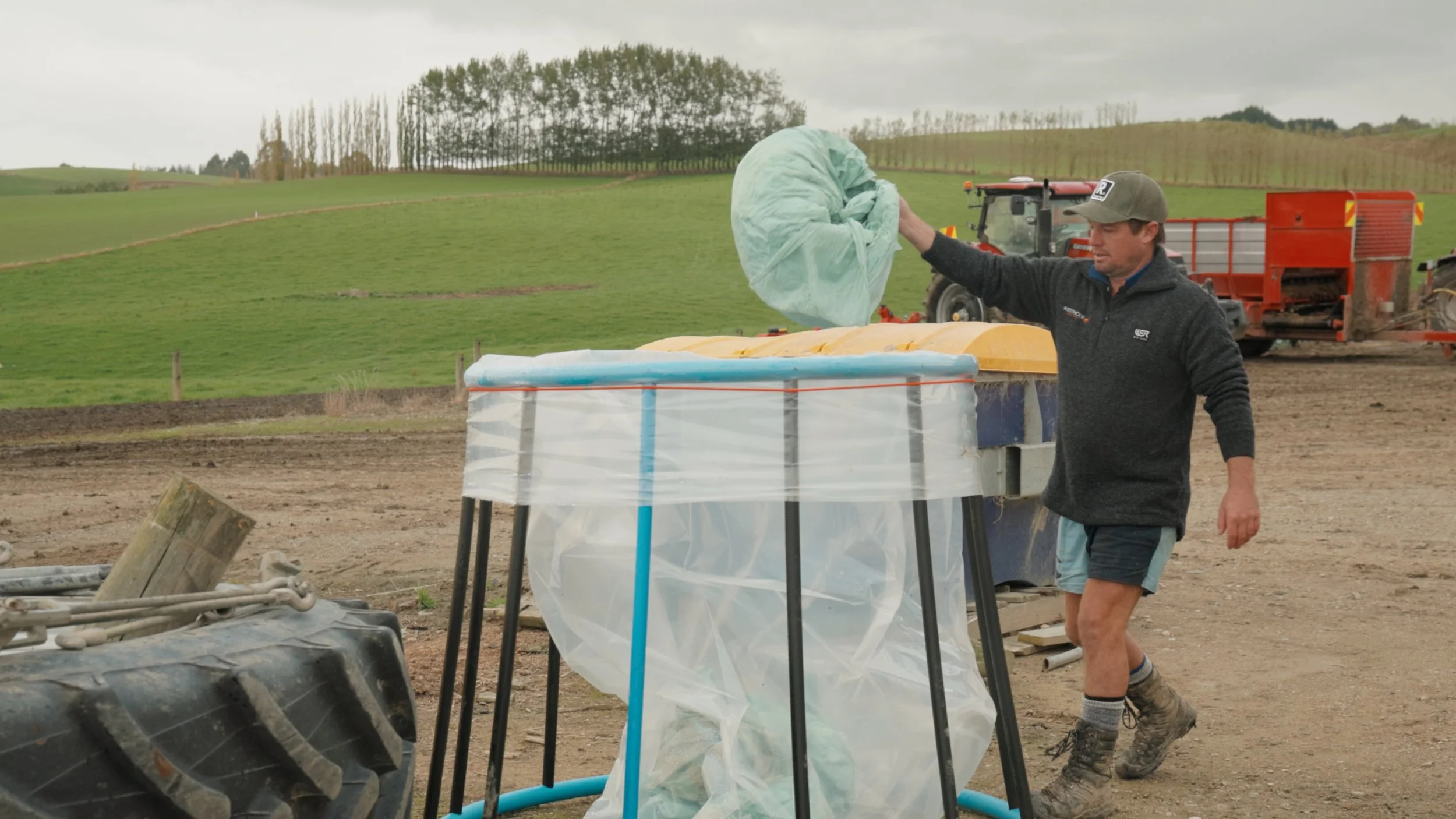
1. Start simple
Choose one thing you know you can do and maintain without creating more work than it solves.
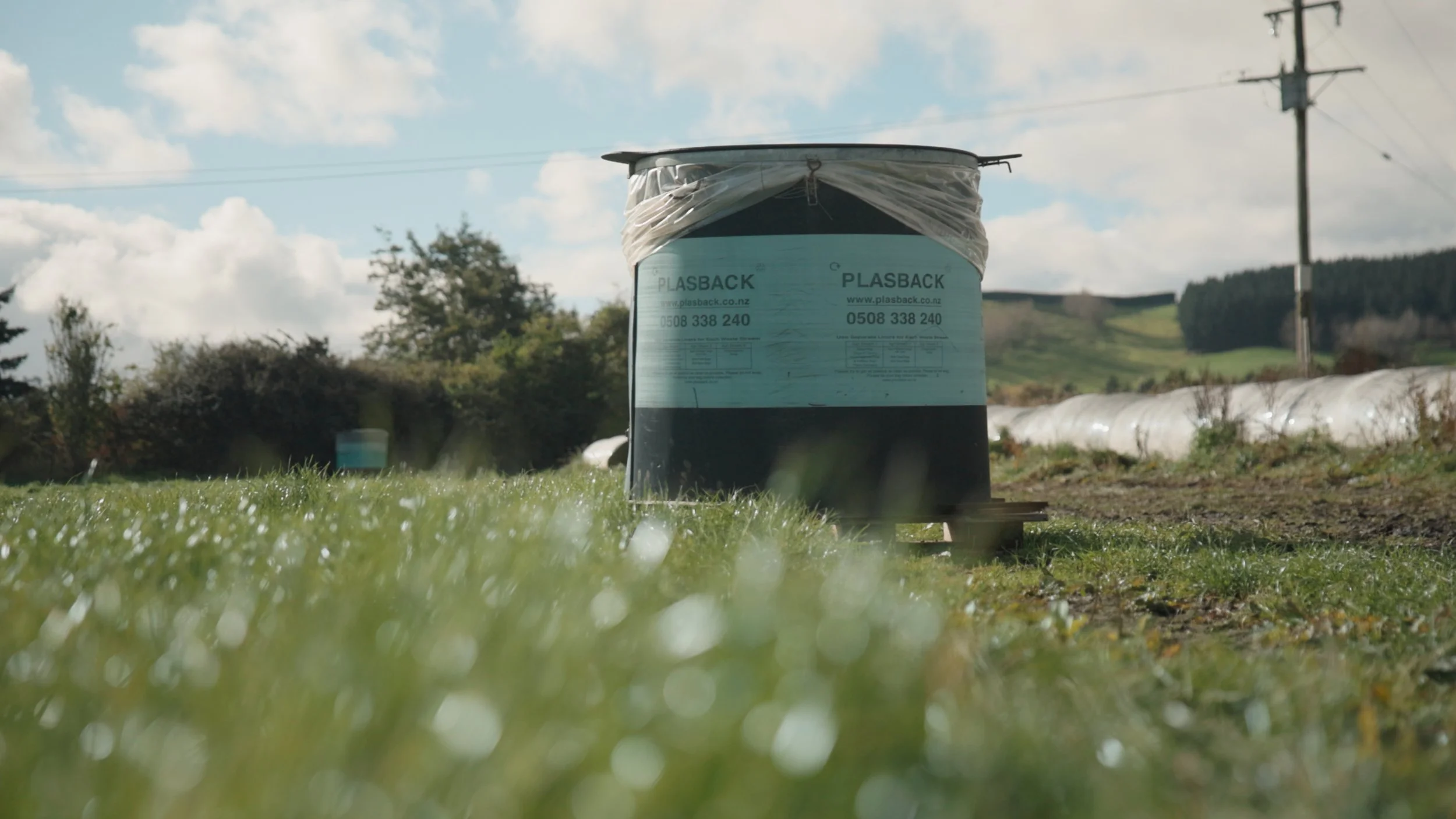
2. Know where it goes
Before you divert a material from waste, make sure there’s a pathway for it. Check that it can be recycled through a programme such as Plasback, taken to a recycling drop-off point or collected. The exception is if you’re deliberately stockpiling it because you have another use for it or know there’s a market for it.
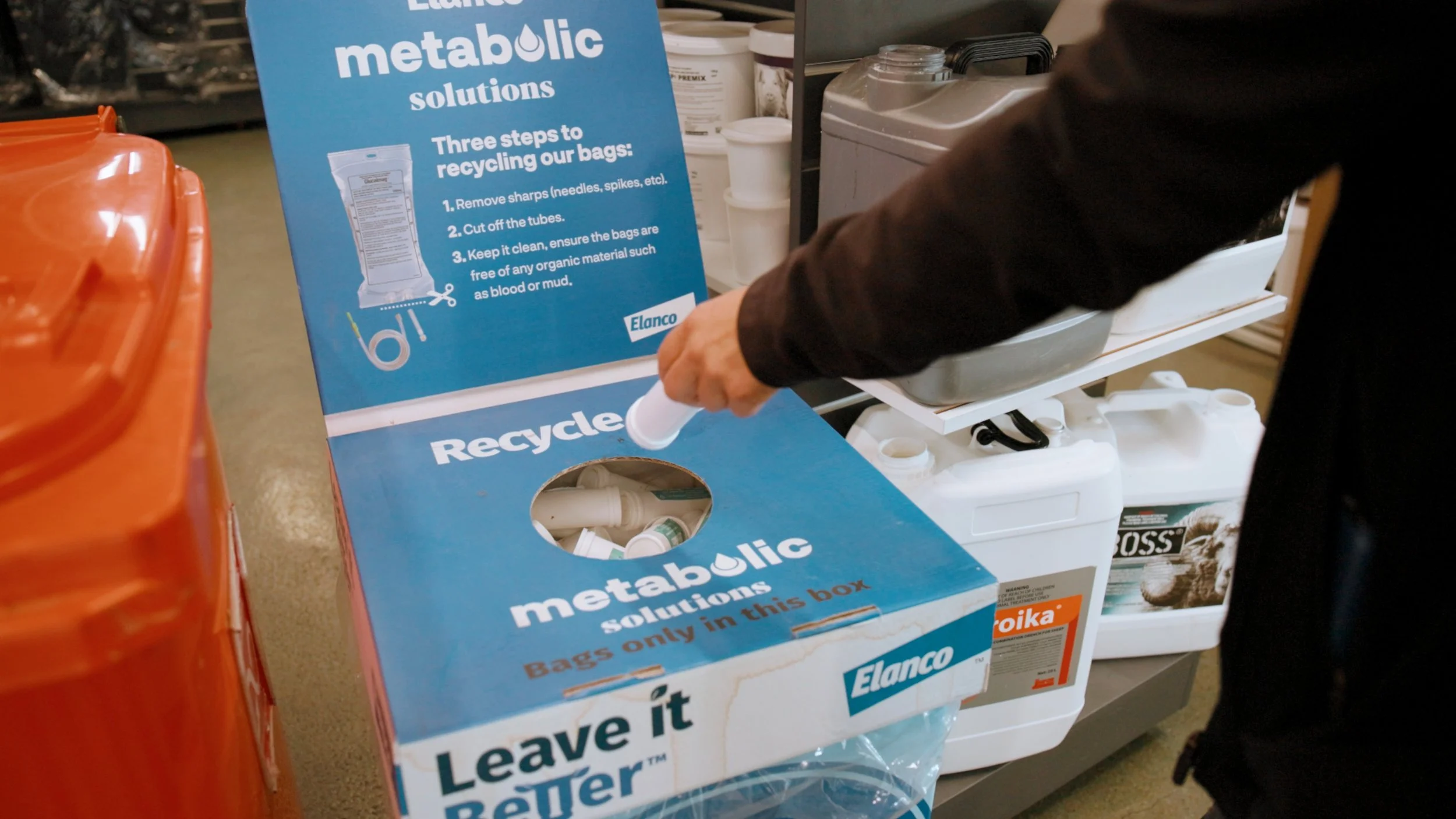
3. Talk to your suppliers
Some of the biggest gains can happen before waste even reaches your farm. Talk to suppliers about product packaging (one of the most common streams of waste on farm), what can be taken back, and how you can reduce unnecessary waste coming onto your property. Sometimes just changing a product brand can result in less waste!
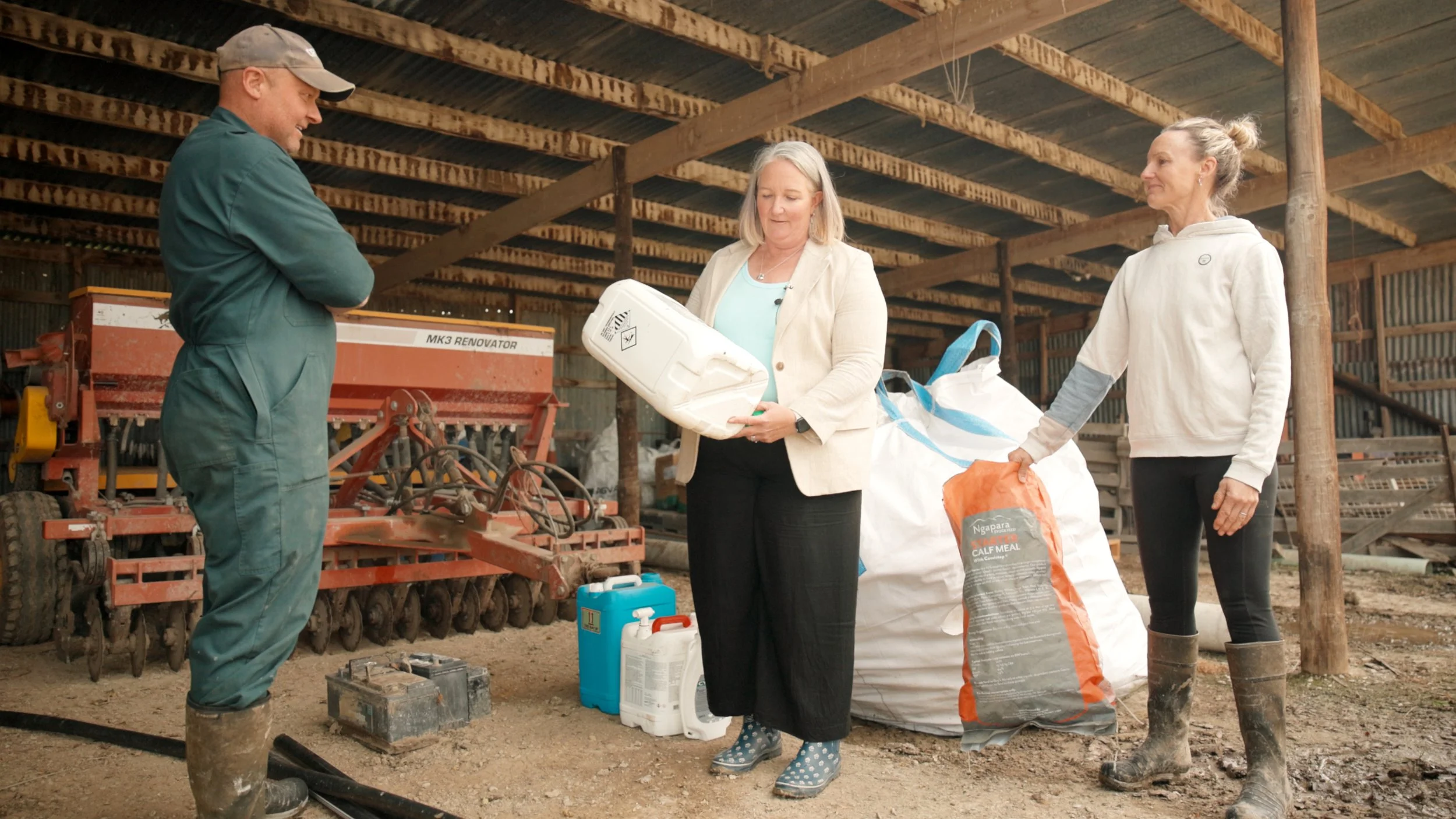
4. Work with your community
Look for opportunities to work with local organisations. For example, scrap metal collections at schools can raise funds while providing an easy local collection point.
5. Make it easy
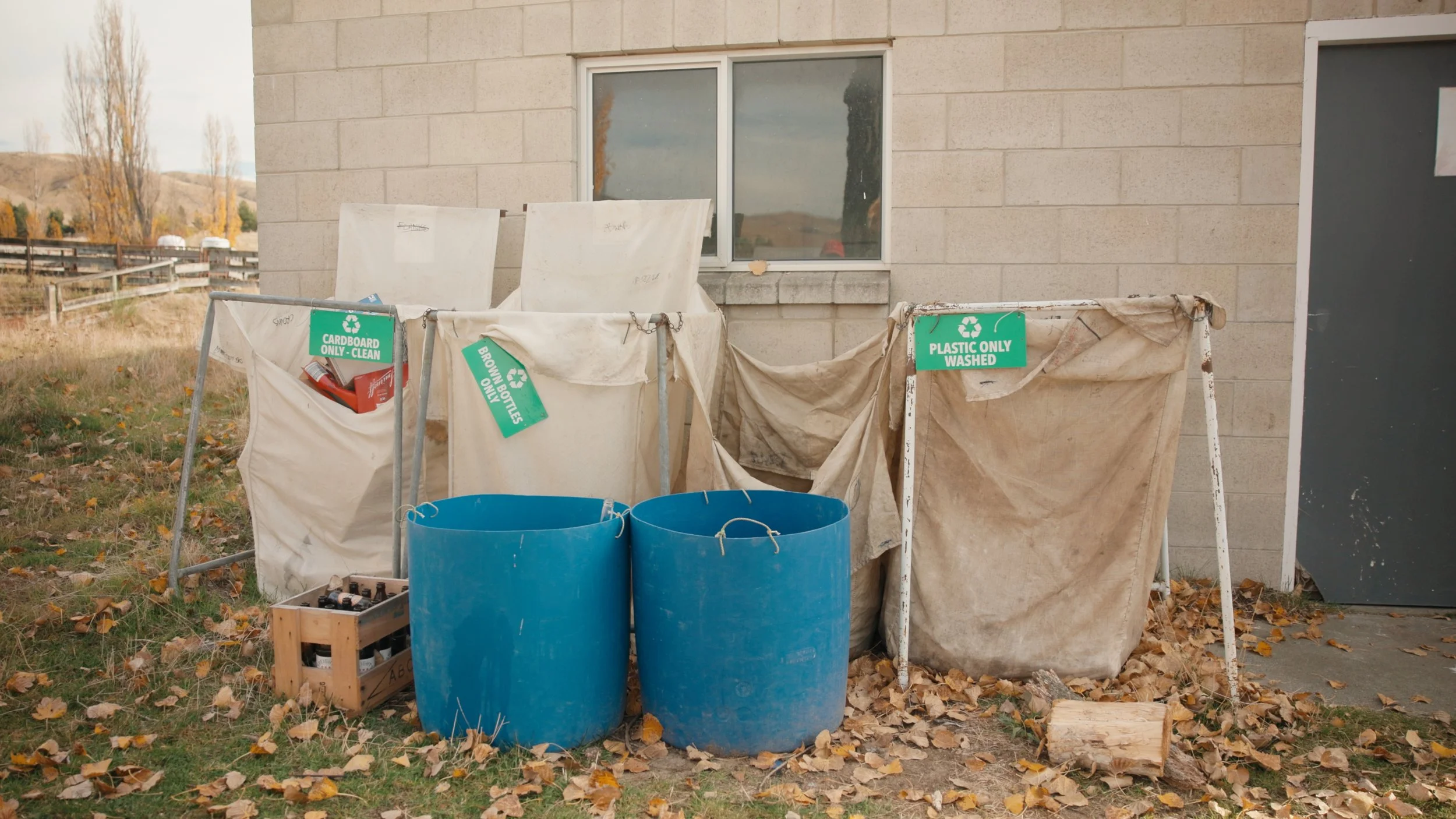
Keep waste and recycling stations logical and close to where waste is generated. Use clear signage and standard recycling colours to make it obvious where things go. Make recycling the easiest option to reach.
6. Know your why
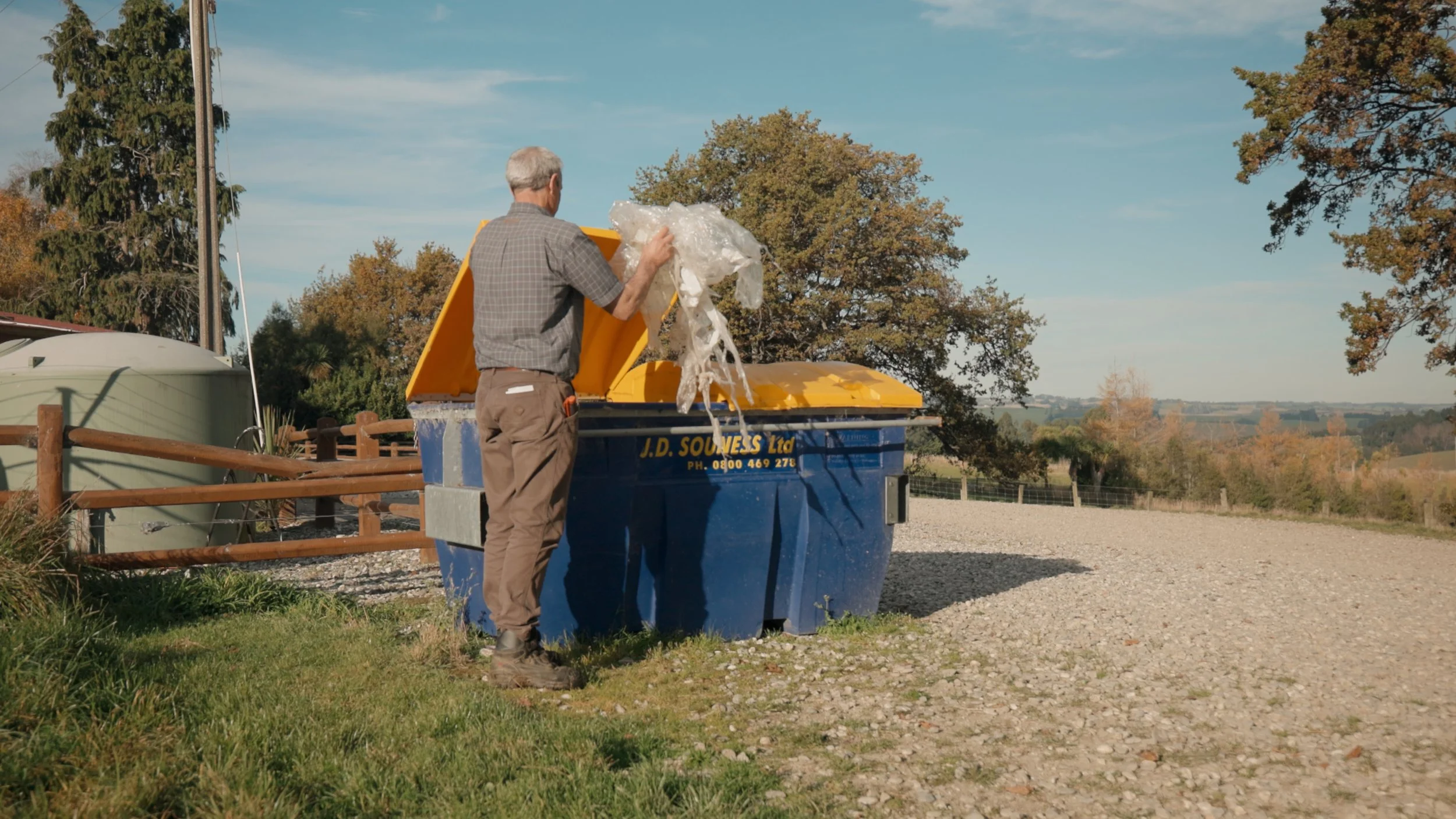
People may ask why you're doing things differently, and sometimes you might question it yourself. Know what you're trying to achieve, whether that's a tidier farm, more efficient systems or better animal health.
7. Work as a team
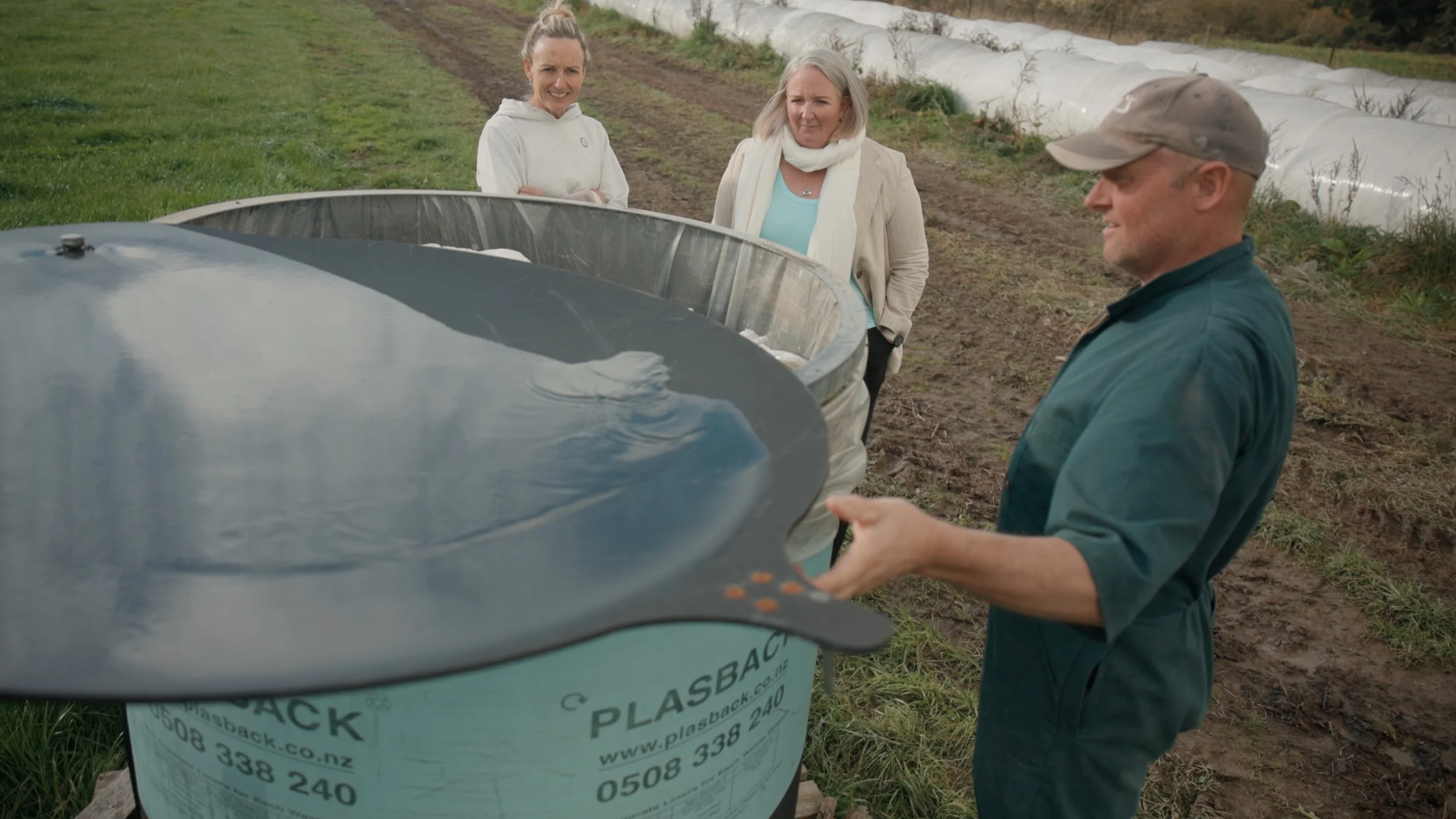
Don't be the lone wolf. Effective waste management is easier to maintain when everyone on farm understands the system and plays their part.
8. Do one thing well
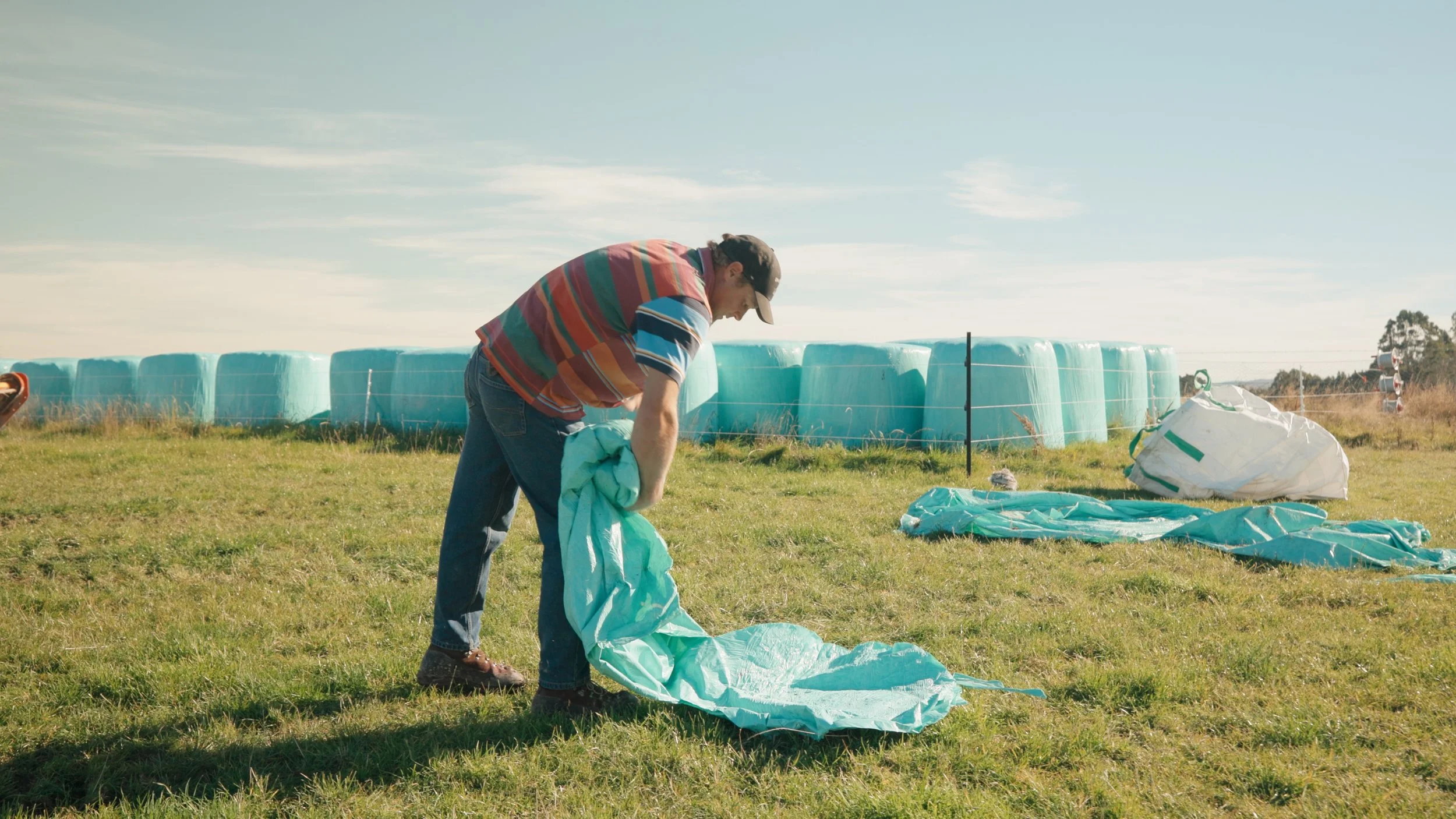
It's better to get one diversion option working properly than to start several systems that don't work well. Recyclers have requirements around cleanliness, so keeping materials clean and correctly sorted helps the whole system work better.